
THE GREAT ESCAPE
Your Great Adventure
- Information
- Tour Plan
- Location
- Gallery
- Additional Info
- Reviews
- Similar Tours
What's included
- Airport Arrival and Departure Transfers
- Airport meet and Assist
- Entrance tickets to monuments and museums
- Professionally guided tour
- Beverages
- Entry Inside the Pyramids
- Entry Inside the Tomb of King Ramses VI
- Entry Inside the Tomb of King Seti I
- Entry Inside the Tomb of Tutankhamun
- Entry Visa Fees
- International Airfares, unless expressly paid for
- Personal expenses
- Tips to guide and driver
A Week in Egypt: Unforgettable Nile Adventures & Historic Wonders
Discover Egypt in just 7 days! Sail the Nile, explore Luxor & Aswan, and stand before the Pyramids of Giza. Book your unforgettable journey today!
Luxor Attractions
East Bank Attractions:
- Luxor Temple – A stunning temple dedicated to Amun-Ra, beautifully illuminated at night.
- Karnak Temple Complex – One of the largest religious sites in the world, featuring massive columns and sacred lakes.
- Luxor Museum – A well-curated collection of artifacts, including statues and relics from ancient Thebes
West Bank Attractions:
- Valley of the Kings – The eternal resting place of Egypt’s greatest pharaohs, including Tutankhamun. These intricately decorated tombs reveal the secrets of ancient funerary practices.
- Valley of the Queens – Resting place of royal women, including Queen Nefertari’s beautifully decorated tomb.
- Temple of Hatshepsut – A breathtaking mortuary temple A marvel of ancient architecture, the Temple of Hatshepsut rises against the cliffs of Deir el-Bahari. Dedicated to Egypt’s first female pharaoh, this temple is renowned for its unique design and captivating reliefs.
- Ramesseum – The grand temple of Ramses II, is home to the shattered remnants of his colossal statue. This once-majestic temple still showcases incredible hieroglyphs narrating the king’s achievements.
- Deir El-Medina – The village of ancient artisans who built the royal tombs, where the builders of royal tombs lived. The site provides rare insight into the personal and professional lives of Egypt’s craftsmen.
Cairo Attractions
Pyramids of Giza
Stand before the Great Pyramid, the last surviving Wonder of the Ancient World. Explore the Sphinx, the guardian of the pyramids, and take in breathtaking views from the panoramic plateau.
Egyptian Museum
Home to Tutankhamun’s treasures, this museum showcases thousands of artifacts, including royal mummies and ancient jewelry. A must-visit for history lovers.
Khan El Khalili Bazaar
Immerse yourself in Cairo’s vibrant marketplace, where you can shop for handcrafted souvenirs, spices, and traditional jewelry while enjoying the lively atmosphere.
Al Azhar Park
Escape the city’s bustle in this lush green oasis, offering stunning views of Cairo’s skyline and historic mosques.
The Hanging Church
One of Egypt’s oldest churches, this Coptic masterpiece features intricate woodwork and stunning icons.
Salah El Din Citadel
A fortress of history, the Citadel houses the Mosque of Muhammad Ali, offering panoramic views of Cairo.
Museum of Islamic Art
Discover one of the world’s finest collections of Islamic artifacts, including rare manuscripts and decorative arts
Aswan’s Top Attractions
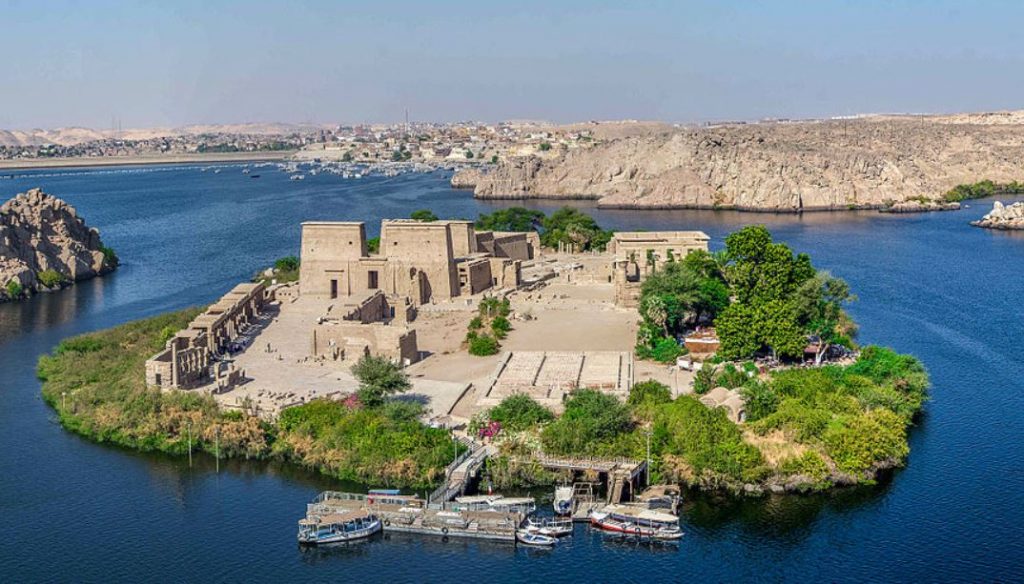
Philae Temple
A masterpiece of ancient Egyptian architecture, Philae Temple sits on an island in the Nile, dedicated to the goddess Isis. Its intricate carvings and stunning location make it one of Aswan’s most breathtaking sites.
Aswan High Dam
A marvel of modern engineering, the Aswan High Dam controls the Nile’s flow, providing electricity and irrigation to Egypt. The panoramic views from the dam are spectacular.
Elephantine Island
This historic island is home to ancient ruins, Nubian villages, and the Aswan Museum, offering a glimpse into Egypt’s past and vibrant local culture.
Nubian Museum
Dedicated to Nubian heritage, this museum showcases artifacts from ancient Nubia, tracing its history from early settlements to modern times.
Unfinished Obelisk
Carved directly into the bedrock, this massive obelisk reveals the techniques of ancient Egyptian stoneworkers. If completed, it would have been the largest obelisk ever erected. 
- Day 1
- Day 2
- Day 3
- Day 4
- Day 5
- Day 6
- Day 7
Introduction to the city
The Morning Tour is an introduction to the city. You will learn about how the city was built and how it works today. You will see the gondola boatyard, several interesting churches and palazzos. It passes through Dorsoduro district ending in Campo Santa Margherita.
Main Landmarks
This tour covers St. Mark’s Square and districts of S.Marco and Castello. The tour will last 3 hours and it will take you through 10 centuries of Venetian history and architecture. You will learn about St.Mark’s square buildings, legends, events, conquests and governments.
Aerial View
See our Aerial Venice guide, which is packed with large overhead and close-up aerial views of the city with text descriptions. (Topics include squares and other sights, bridges, waterfront promenades, transportation hubs, and more.)
Piazza San Marco
The Piazza San Marco, or St. Mark's Square, is one of the world's great squares. It's also a honeypot for swarms of daytrippers and other tourists, but don't let that bother you: The square is vast, the crowds are good-natured, and backpackers coexist peacefully with the well-heeled tourists who enjoy overpriced drinks and orchestral music at the café tables. Some Venetians claim that pigeons outnumber the tourists. Certainly there are plenty of them, although their numbers have dwindled since the city began enforcing an ordinance against feeding the birds. (Note: Rick Steves suggests letting pigeon poop dry before brushing it off; this may work on clothing, but it's less effective when the poop is sliding down a balding scalp.)
Basilica di San Marco
The Basilica di San Marco (in English, St. Mark's Basilica) is both a house of worship and a monument to plunder: It was built to house the bones of St. Mark, whose remains had been stolen from Egypt by a pair of Venetian merchants, and the building is filled with sculptures, religious objects, and other booty that was hauled back from Constantinople and other faraway places during the Christian Crusades.
Grand Canal
The Canal Grande, known to English-speaking visitors as the Grand Canal, is the main aquatic thoroughfare in central Venice. The S-shaped waterway follows an ancient riverbed from the Tronchetto parking island, the Piazzale Roma transit center, and the Santa Lucia railroad station station to Piazza San Marco and St. Mark's Basin. The canal is about 4 km or 2.5 miles long, with a width that varies from 30 to 70 meters (98 to 230 feet).
Rialto Bridge
The Ponte di Rialto, a.k.a. the Rialto Bridge, has been the main pedestrian crossing between the two banks of the Grand Canal since 1591. In fact, it was the only bridge across the Canal Grande until a predecessor to today's Accademia Bridge was built in 1854. You might think that, with Venice being a city of traders, the shopping arcade in the center was built to separate tourists and locals from their money. In fact, the shops have a structural purpose: The rows of covered arches that run up the center of the bridge and over the top help to stiffen the bridge, making piers unnecessary and allowing 7.5 meters or 24 feet of clearance for boats (including the galleys that existed in the 16th Century, when the current stone bridge was built).
More about Aswan
More about Egypt
🏜️ Egypt: Where Time Stands Still and Adventure Begins
Region: North Africa Coordinates: Approx. 26°N, 30°E Borders: Libya (west), Sudan (south), Israel & Gaza Strip (northeast) Key Cities: Cairo, Luxor, Aswan, Alexandria, Hurghada, Sharm El-Sheikh✨ Why Visit Egypt?
Egypt is more than pyramids and pharaohs—it's a living museum of ancient wonders, vibrant culture, and breathtaking landscapes. From the golden sands of the Sahara to the coral reefs of the Red Sea, every corner of Egypt tells a story. Whether you're cruising the Nile, diving in the Red Sea, or wandering through bustling souks, Egypt offers a sensory journey through history, nature, and hospitality.🏛️ Top Attractions
- Giza Plateau: Home to the Great Pyramids and the Sphinx
- Luxor & Karnak Temples: Open-air museums of ancient architecture
- Valley of the Kings: Tombs of legendary pharaohs
- Abu Simbel: Monumental temples carved into rock
- Siwa Oasis: A remote paradise of palm groves and salt lakes
- Red Sea Riviera: World-class diving in Hurghada and Sharm El-Sheikh
🌍 Geo & Climate Insights
- Landscape: 95% desert, with fertile Nile Valley and Delta
- Climate: Hot and dry; best travel months are October to April
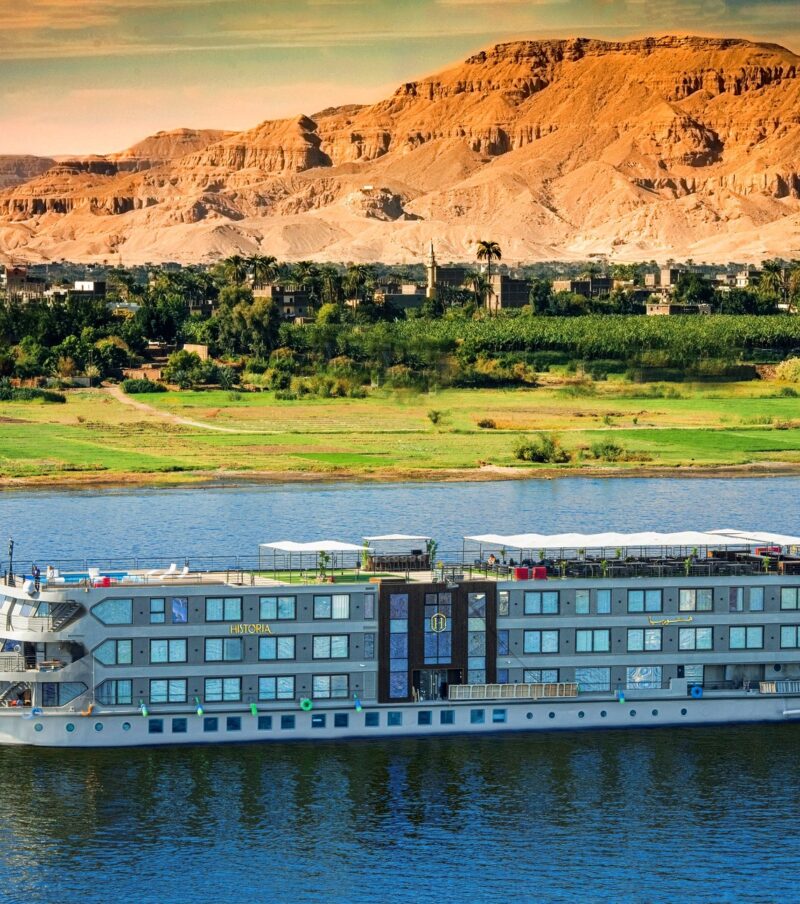
- Nile River: Lifeline of Egypt, flowing ~6,650 km from Lake Victoria to the Mediterranean
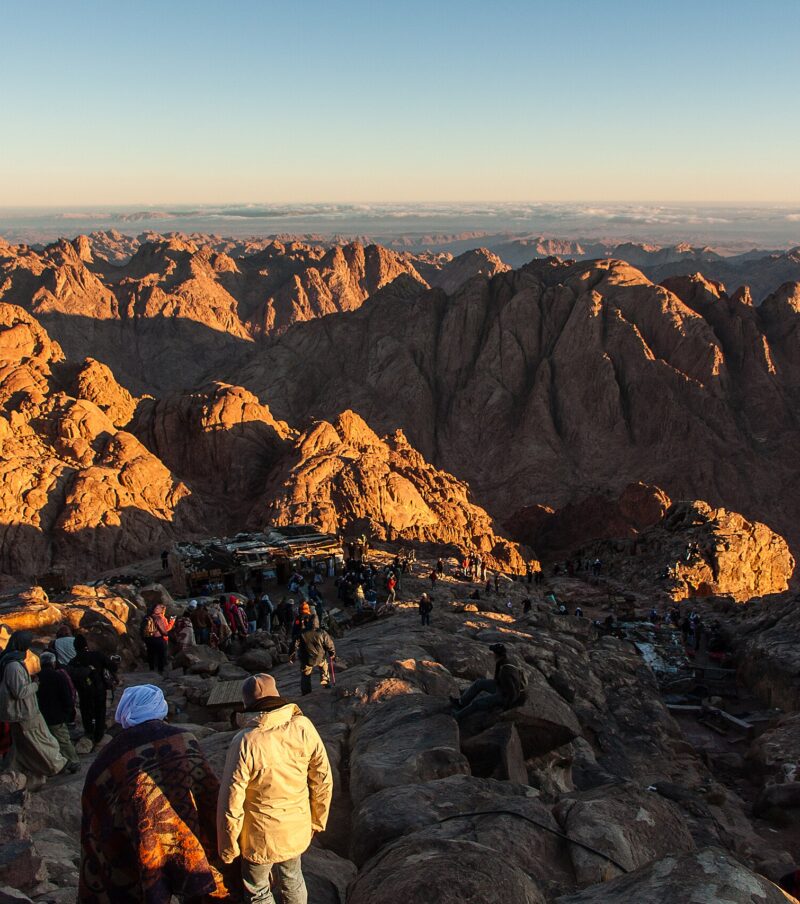
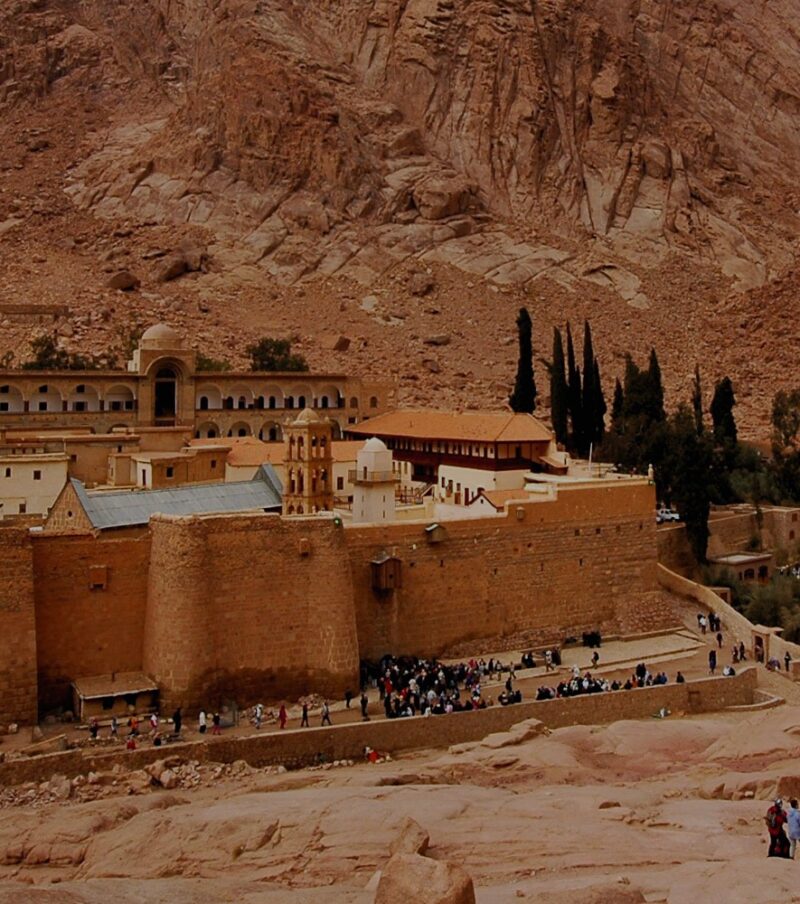
- Sinai Peninsula: Mountainous terrain and sacred sites like Mount Sinai
🖼️ Visual Highlights
Here are some stunning visuals to enrich your page:🍽️ Cultural Experiences
- Cuisine: Try koshary, molokhia, and feteer meshaltet
- Markets: Khan El Khalili in Cairo, Nubian bazaars in Aswan
- Festivals: Ramadan nights, Mango Festival in Ismailia, and desert music gatherings
📌 Travel Tips
- Visa: Available on arrival or online for most nationalities
- Currency: Egyptian Pound (EGP)
- Language: Arabic (English widely spoken in tourist areas)
- Safety: Tourist zones are well-patrolled and welcoming
🛎️ Call to Action
Ready to explore Egypt’s timeless treasures? Book your journey with Misr Tours and experience the magic of ancient wonders, modern hospitality, and unforgettable landscapes.More about Luxor
- Best for: History lovers, photographers, families, and cultural explorers
- Travel style: Private tours, small groups, Nile cruises, sunrise/ sunset experiences
- Seasonality: October–April is ideal; May–September offers quieter sites with midday heat
- Stay length: 2–4 nights for highlights; 5–7 nights with a cruise or deeper exploration
More about this tour
Since the fall of the Venetian republic in 1797, the city has held an unrivaled place in the Western imagination and has been endlessly described in prose and verse. The luminous spectacle of ornate marbled and frescoed palaces, bell towers, and domes reflected in the sparkling waters of the lagoon under a blue Adriatic sky has been painted, photographed, and filmed to such an extent that it is difficult to distinguish the real city from its romantic representations. The visitor arriving in Venice is still transported into another world, one whose atmosphere and beauty remain incomparable.
Today Venice is recognized as part of the artistic and architectural patrimony of all humanity, a fitting role for a city whose thousand-year economic and political independence was sustained by its role in global trading. The situation of the city on islands has limited modern suburban spread beyond the historic centre; its framework of canals and narrow streets has prevented the intrusion of automobiles; and its unmatched wealth of fine buildings and monuments dating from the period of commercial dominance has ensured a keen and almost universal desire for sensitive conservation. This concern for conservation is now extended not just to the city’s monuments but to the very city itself, as rising water levels and subsidence of the land upon which Venice is built threaten the continued existence of the city in its present form. In 1987 Venice and its lagoon were collectively designated a UNESCO World Heritage site. Pop. (2009 est.) city, 59,984; (2011 est.) comune, 270,884.


There are no comments yet.