Luxury Dahabeya Nile Cruise: Luxor to Aswan
Nile in Elegance, Discover Dahabeya Magic!
- Information
- Tour Plan
- Location
- Additional Info
- Reviews
- Similar Tours
What's included
- Airport meet and Assist
- All service charges and taxes.
- All transfers by a private air-conditioned vehicle.
- Egypt Entry Visa fees
- Entrance Fees to all the sites mentioned in our above itinerary.
- Entry Inside the Tomb of King Ramses VI
- Entry Inside the Tomb of Tutankhamun
- Hotel pickup and drop-off
- Overday Tour to Abu Simbel
- Professionally guided tour
- Gratuities for Nile Cruise Staff
- Services not specifically stated in the itinerary
- Tips to guide and driver
Sailing the Nile: A Timeless Journey Through Myth and Wonder
Sailing the Nile is more than a voyage—it’s a pilgrimage across waters that witnessed the birth of gods and civilizations. Aboard a Dahabeya, you drift through the oldest chapters of history, surrounded by breathtaking scenery.
An ancient Egyptian saying goes: “Whoever drinks from the Nile is destined to return.” Perhaps it’s nostalgia, or the spell these lands cast on the soul.
Cruising between Luxor and Aswan along the Iteru—the “Great River” of the ancients—awakens the senses. At every stop, Egypt’s grandeur unfolds: the timeless colossi of Karnak, vivid tombs in the Valley of the Kings, the mysterious temples of Edfu and Kom Ombo, and the ethereal sanctuary of Philae. Here, everything speaks—the waters, the palms, the villages. As Herodotus wrote, “Without the Nile, there is no Egypt,” and sailing its bends feels like past and present flowing as one.
The Dahabeya Cruise from Luxor to Aswan is a poetic voyage through Egypt’s ancient soul, blending serene sailing with awe-inspiring heritage. Here are the main points of interest along this unforgettable journey: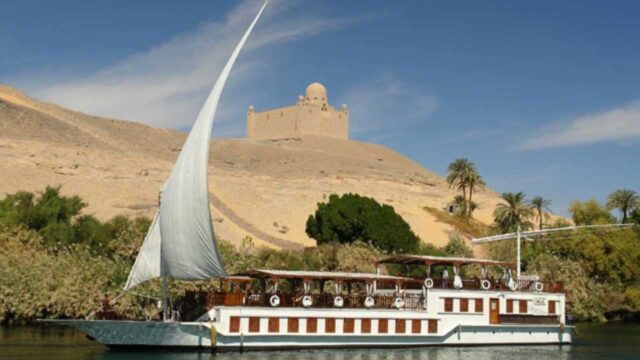
🏛️ Key Archaeological Sites & Temples in Luxor
- Karnak Temple (Luxor): A vast religious complex dedicated to Amun-Ra, featuring colossal columns and sacred lakes.
- Luxor Temple: Illuminated beautifully at night, this temple celebrates the rejuvenation of kingship.
- Valley of the Kings: Final resting place of pharaohs like Tutankhamun, with richly decorated tombs.
- Temple of Queen Hatshepsut: A dramatic mortuary temple nestled beneath cliffs at Deir el-Bahari.
- Colossi of Memnon: Two towering statues guarding the Theban necropolis.
🛕 Temples Along the Nile
- Esna Temple: Dedicated to Khnum, with a stunning astronomical ceiling and well-preserved columns.
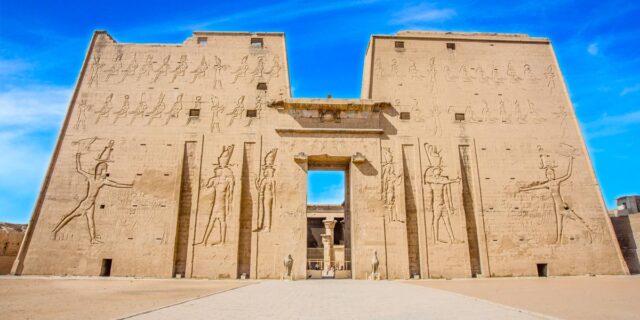
- Edfu Temple: One of Egypt’s best-preserved temples, honoring Horus with grand pylons and sacred chambers.
- Kom Ombo Temple: Unique double temple for Sobek (crocodile god) and Horus the Elder, with ancient medical reliefs.
- Gebel El Silsila: Ancient sandstone quarries used in temple construction, offering a glimpse into Egypt’s engineering legacy.
🌅 Aswan Highlights
- Philae Temple: A graceful island sanctuary devoted to Isis, relocated to Agilkia Island after the dam’s construction.
- Aswan High Dam: A modern marvel controlling Nile floods and powering Egypt.
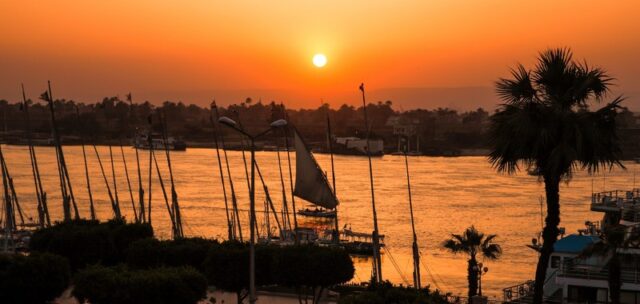
- Scenic Nile Views: Palm-fringed banks, golden cliffs, and timeless villages seen from the deck of your Dahabeya.
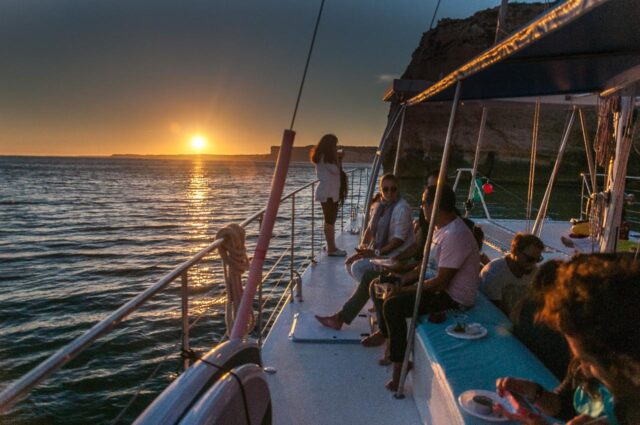
This journey is crafted for those who seek authenticity and awe. Every detail is curated, every moment guided by an expert, offering deep connection to the land of the pharaohs—where beauty and culture never go out of style.
Flaubert, after sailing these waters, wrote: “The sun sets, the sky turns red, the water glows like gold; everything takes on a divine aura.” And still today, the Nile enchants all who surrender to its magic
- Day 1
- Day 2
- Day 3
- Day 4
- Day 5
- Day 6
- Day 7
- Day 8
Arrival in Cairo – Luxor
Departure from Italy on EgyptAir. Upon arrival in Cairo, visa formalities are completed before continuing by flight to Luxor. Transfer to the Dahabeya. Dinner served on board or a cold plate in your cabin, depending on arrival time.
Karnak Temple – Luxor Temple
After a hearty breakfast, the journey begins into the heart of ancient Egypt with a visit to the majestic Karnak Temple complex. More than a site, Karnak is a living archive of over two millennia of Egyptian history. Successive dynasties—from Hatshepsut and Thutmose III to Seti I and Ramses II—left their monumental mark, expanding the sanctuary of Amun across 100 hectares of temples, pylons, and obelisks.
The visit begins along the Avenue of Ram-headed Sphinxes, leading to the imposing First Pylon. Inside, a breathtaking array of monuments unfolds, culminating in the awe-inspiring Hypostyle Hall: 134 towering columns, each intricately carved, forming one of the most extraordinary architectural spaces in the world. The tour ends at the Sacred Lake, a tranquil mirror of Egypt’s ancient soul.
Return to the Dahabeya for lunch, still immersed in the echoes of myth and stone.
As the sun sets, the magic continues with a visit to Luxor Temple, gracefully embedded in the city’s modern fabric on the Nile’s east bank. Dedicated to the Theban triad—Amun, Mut, and Khonsu—the temple was built by Amenhotep III, the “Sun King” of the 18th Dynasty. Walking along the Avenue of Sphinxes, once a ceremonial link to Karnak, you reach the monumental entrance adorned with reliefs of Ramses II’s triumph at the Battle of Kadesh.
Originally flanked by six colossal statues and two obelisks, only one remains in Luxor—the other now stands in Paris’s Place de la Concorde, a gift from Egypt to France.
Dinner and overnight stay on board, as your thoughts drift through the timeless stories etched in these ancient stones
Theban Necropolis
The morning is devoted to exploring the enigmatic world of the Theban Necropolis:
- 🗿 Colossi of Memnon – Originally dedicated to Pharaoh Amenhotep III, these towering statues mark the gateway to ancient Thebes.
- 🏺 Valley of the Kings – Home to around 65 tombs from the New Kingdom era. In addition to the three tombs included with the entrance ticket, we’ll visit the stunning Tomb of Ramses VI, renowned for its architectural layout: a central corridor leads to an antechamber, followed by a pillared hall, and through a second corridor to another chamber that opens into the sarcophagus room.
- 🎨 Artisans’ Village (Deir el-Medina) – Featuring the elegantly decorated tombs of the “chief workmen,” this site offers a refined glimpse into the artistry of those who built the royal tombs.
- 👑 Valley of the Queens – Includes an exclusive visit to the Tomb of Nefertari, celebrated for its exceptional quality and vivid colors covering nearly every surface. Discovered in 1904 by Ernesto Schiaparelli, then director of the Egyptian Museum in Turin, this tomb is a masterpiece of ancient art.
Please note: At the time of writing, the Tomb of Nefertari is closed for restoration. If it remains closed during our visit, it will be replaced with a tour of the Tomb of Seti I, another exquisite example of refined decoration in the Valley of the Kings.
Afternoon:
- 🏛️ Visit to Medinet Habu, the mortuary temple of Ramses III. Notable for its scale, architecture, and preservation, it also contains vivid records of the attempted invasion by the Sea Peoples.
Return to the Dahabeya for lunch.
Later, enjoy a guided visit to the Luxor Archaeological Museum, showcasing remarkable artifacts from the region.
Dinner and overnight stay on board.
Sailing Toward Esna
Between History and Nature: From Luxor to Esna on the Nile
The day begins with a generous breakfast served on board as the Dahabeya sets sail toward Esna. This stretch of the Nile between Luxor and Aswan reveals Egypt’s African soul—lush green banks contrast with quiet, rural towns nestled along the river. Since pharaonic times, this region marked Egypt’s southern frontier, with Aswan as its principal hub.
The First Cataract of Aswan, where the Nile breaks over dramatic granite formations, once defined the border between Egypt and Nubia—a vast African kingdom stretching south to modern-day Khartoum. At times, Egypt expanded into Nubia, leaving behind grand temples like Abu Simbel. In weaker periods, Nubians advanced northward, even founding a dynasty in Memphis. Later, Greeks and Romans sought control of this frontier, leaving behind refined temples—Esna, Edfu, Kom Ombo, and Philae—each rich in history and striking in location.
Sailing the Nile offers a unique perspective: palm groves, cultivated fields, and quiet villages drift past, while the Dahabeya allows access to both iconic sites and hidden gems, often outside peak tourist hours.
We stop in Esna to visit the Ptolemaic Temple of Khnum, the ram-headed god who, according to legend, shaped mankind from clay on his potter’s wheel. Hidden in a pit ten meters below street level, the temple retains its original roof and is surrounded by homes built atop its buried foundations. Thanks to meticulous restoration, the vibrant colors of its columns and ceiling are once again visible. After the visit, a stroll through Esna’s lively local market offers a glimpse into everyday life.
Lunch is served back on board, followed by a tranquil afternoon sail toward Edfu. The day ends with a delicious dinner on deck, as the Nile glows under the setting sun.
The Temple of Horus
Today we arrive in Edfu, home to the majestic Temple of Horus, one of Egypt’s most impressive ancient monuments. Buried for centuries beneath sand and silt, it now stands as the largest and best-preserved Ptolemaic temple in the country.
Built during the Greco-Roman period, the temple showcases classical Egyptian architecture, echoing the grandeur of pharaonic design. Its structure preserves traditional elements, making it a vital reference for Egyptologists studying ancient temple forms.
To reach the sacred site, one must first pass through a bustling tourist bazaar—perhaps less charming, but part of the modern experience. At the entrance, two elegant black granite statues of Horus flank the massive gateway. Beyond lies a vast colonnaded courtyard leading to atmospheric hypostyle halls filled with history and mystery.
After the visit, we return to the Dahabeya for lunch and continue sailing gently toward Aswan. The afternoon invites quiet reflection as the river landscape unfolds. A stop in a small riverside village offers a chance to engage with local traditions and observe rural life up close.
The day concludes with dinner on board beneath a starlit sky, as the timeless magic of the Nile continues to enchant.
The Temple of the Crocodile God Kom Ombo
The Twin Temples on the Nile
About 50 kilometers before reaching Aswan, nestled among vast sugarcane fields, lies Kom Ombo, once the ancient city of Pa-Sobek, dedicated to the crocodile god Sobek. Though the city and its crocodiles have vanished, the majestic temple remains, rising directly above the Nile’s edge.
Built during the Greco-Roman period, the temple was completed under Emperor Augustus around 30 BCE, possibly atop older foundations. Its most striking feature is its dual design, with two symmetrical sanctuaries: one for Sobek, the crocodile god, and one for Horus the Elder, the falcon god.
Today, visitors enter through a side gate—once a service entrance—as the original pylon has been eroded by the Nile. Inside, the temple resembles Esna: from the damaged forecourt, two doorways lead to a hypostyle hall with eight lotus-capital columns. The left wall features scenes of Horus; the right, depictions of Sobek and the Chapel of Hathor, consort of Horus.
Next to the temple, a small museum displays mummified crocodiles, silent relics of a bygone cult. The site also includes a sacred crocodile pool and a well-preserved Nilometer, once used to measure the river’s flood levels.
Lunch is served on board as the Dahabeya continues toward Aswan. The evening ends with dinner on deck, embraced by the Nile’s twilight glow
Aswan - Morning at Philae
We board small motorboats to reach Agilkia Island, home to the enchanting Temple of Philae, often called “the Pearl of the Nile.” For centuries, pilgrims and warriors journeyed here to honor Isis, goddess of magic and motherhood.
Originally built on Philae Island during the Ptolemaic era, the temple was submerged for half the year following the construction of the Aswan Dam. Its columns and courtyards shimmered beneath crystal-clear waters in a surreal spectacle.
In the 1970s, the temple was carefully dismantled and relocated stone by stone to Agilkia Island, reshaped to mirror the original site. Today, Philae is one of Egypt’s most evocative temples, nestled among lush vegetation and surrounded by water.
🍽️ Lunch and Afternoon in Aswan
Return to the Dahabeya for lunch. In the afternoon, enjoy a leisurely stroll through Aswan’s city center, with a stop for tea on the elegant veranda of the Old Cataract Hotel, a historic landmark overlooking the Nile.
🌙 Dinner on Board
The day ends with a peaceful dinner on the Dahabeya, lulled by the river and the soft glow of evening.
Return to Homeland
After breakfast, transfer to the airport for your direct flight to your homeland or your next destination
⚠️ Important Note
For technical and operational reasons, the itinerary may be subject to changes at the discretion of the local guide, if deemed necessary and in the best interest of the group
More about Dahabiya Nile Yachting
More about Egypt
🏜️ Egypt: Where Time Stands Still and Adventure Begins
Region: North Africa Coordinates: Approx. 26°N, 30°E Borders: Libya (west), Sudan (south), Israel & Gaza Strip (northeast) Key Cities: Cairo, Luxor, Aswan, Alexandria, Hurghada, Sharm El-Sheikh✨ Why Visit Egypt?
Egypt is more than pyramids and pharaohs—it's a living museum of ancient wonders, vibrant culture, and breathtaking landscapes. From the golden sands of the Sahara to the coral reefs of the Red Sea, every corner of Egypt tells a story. Whether you're cruising the Nile, diving in the Red Sea, or wandering through bustling souks, Egypt offers a sensory journey through history, nature, and hospitality.🏛️ Top Attractions
- Giza Plateau: Home to the Great Pyramids and the Sphinx
- Luxor & Karnak Temples: Open-air museums of ancient architecture
- Valley of the Kings: Tombs of legendary pharaohs
- Abu Simbel: Monumental temples carved into rock
- Siwa Oasis: A remote paradise of palm groves and salt lakes
- Red Sea Riviera: World-class diving in Hurghada and Sharm El-Sheikh
🌍 Geo & Climate Insights
- Landscape: 95% desert, with fertile Nile Valley and Delta
- Climate: Hot and dry; best travel months are October to April
- Nile River: Lifeline of Egypt, flowing ~6,650 km from Lake Victoria to the Mediterranean
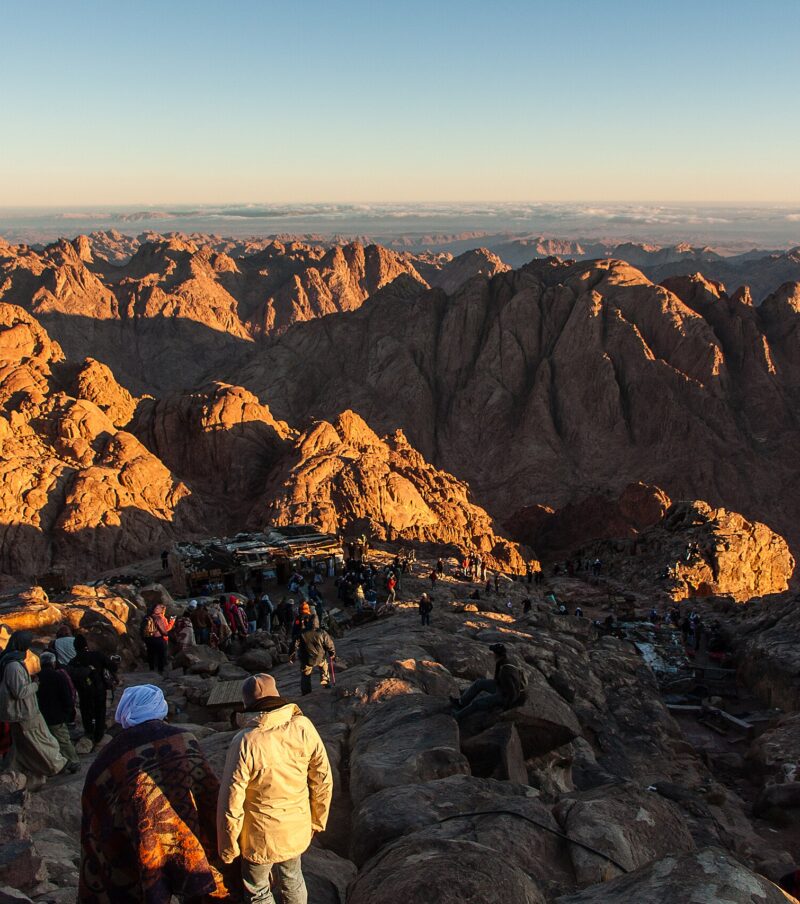
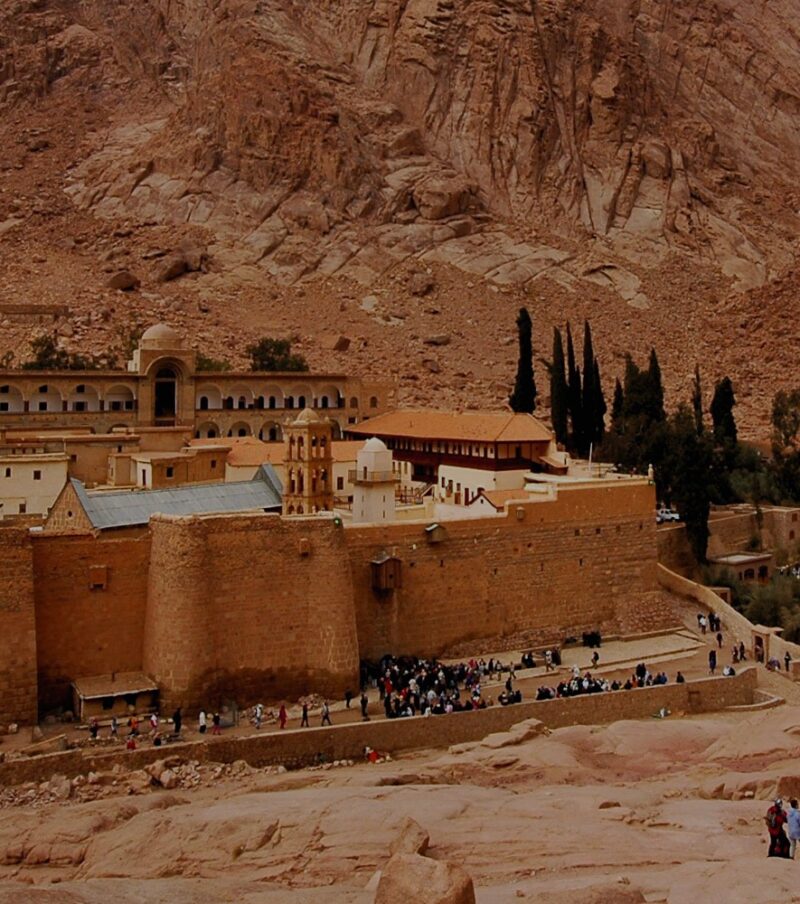
- Sinai Peninsula: Mountainous terrain and sacred sites like Mount Sinai
🖼️ Visual Highlights
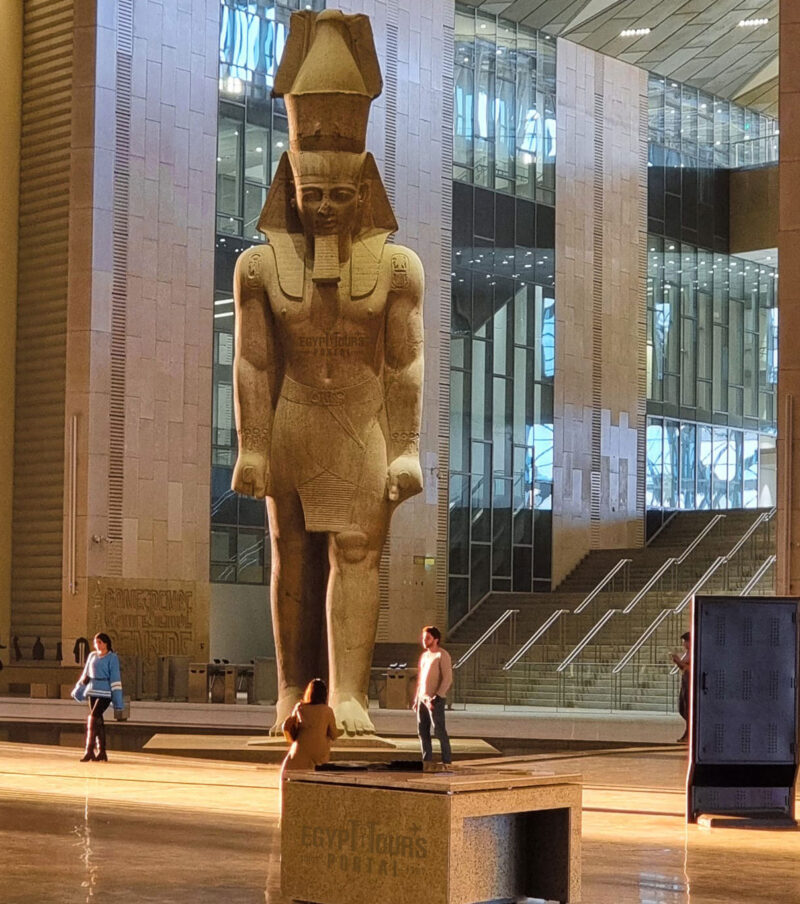
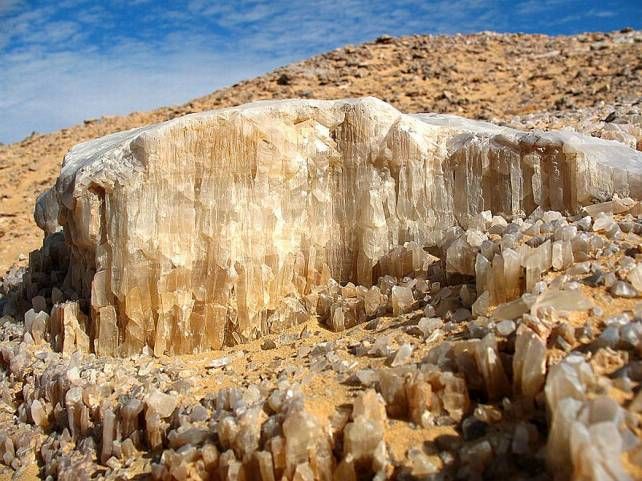
Here are some stunning visuals to enrich your page:🍽️ Cultural Experiences
- Cuisine: Try koshary, molokhia, and feteer meshaltet
- Markets: Khan El Khalili in Cairo, Nubian bazaars in Aswan
- Festivals: Ramadan nights, Mango Festival in Ismailia, and desert music gatherings
📌 Travel Tips
- Visa: Available on arrival or online for most nationalities
- Currency: Egyptian Pound (EGP)
- Language: Arabic (English widely spoken in tourist areas)
- Safety: Tourist zones are well-patrolled and welcoming
🛎️ Call to Action
Ready to explore Egypt’s timeless treasures? Book your journey with Misr Tours and experience the magic of ancient wonders, modern hospitality, and unforgettable landscapes.More about Nile Cruise Luxor-Aswan
More about this tour
🛶 The Dahabeya Experience
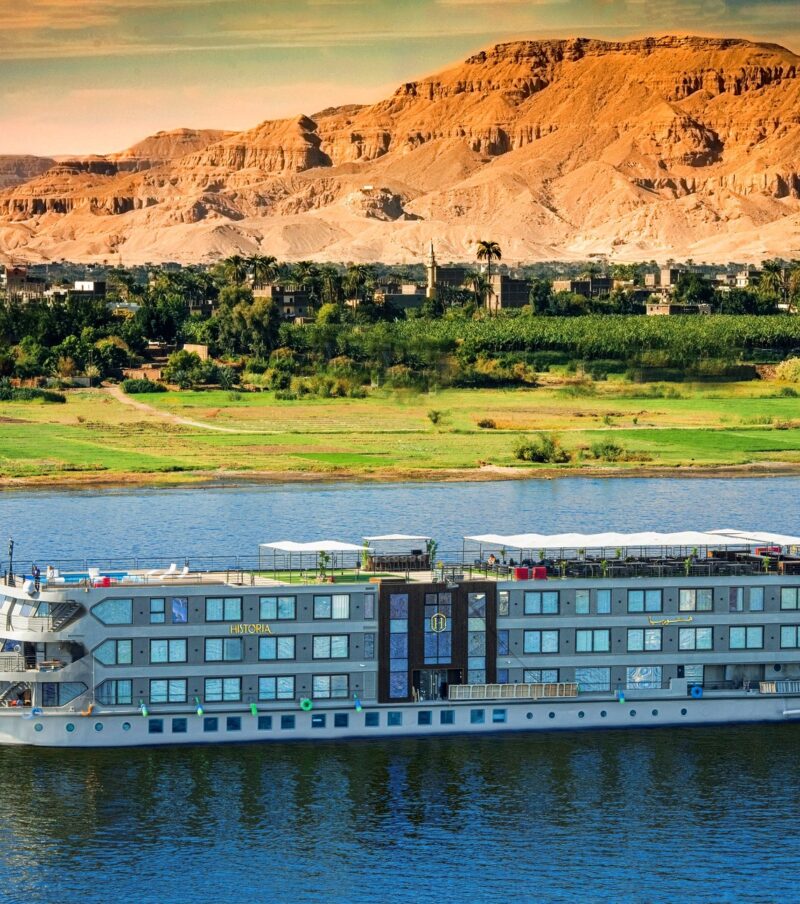
- Traditional sailboat with elegant cabins and open-air decks.
- Gourmet meals, personalized service, and a relaxed pace.
- Expert Egyptologist guides offering deep historical insights.


There are no comments yet.