NOT JUST THE THING OF THE PAST
All the Roads lead to Luxor
- Information
- Tour Plan
- Location
- Gallery
- Additional Info
- Reviews
- Similar Tours
What's included
- Accommodation in single twin share room
- Airport Arrival and Departure Transfers
- Airport meet and Assist
- Entrance tickets to monuments and museums
- Entry Inside the Tomb of King Ramses VI
- Entry Inside the Tomb of Tutankhamun
- Professionally guided tour
- Departure Taxes or Visa handling fees
- Medical, and emergency insurance
- Personal expenses
- Services not specifically stated in the itinerary
- Tips to guide and driver
Journey Through Ancient Thebes
4 Days / 3 Nights in Luxor with Private Guide, Luxury Hotels & Timeless Wonders
Duration: 4 Days / 3 Nights Style: Private, Guided, Luxury Start/End: Luxor Airport
Where You Will Stay – Curated Selection of Luxury Hotels
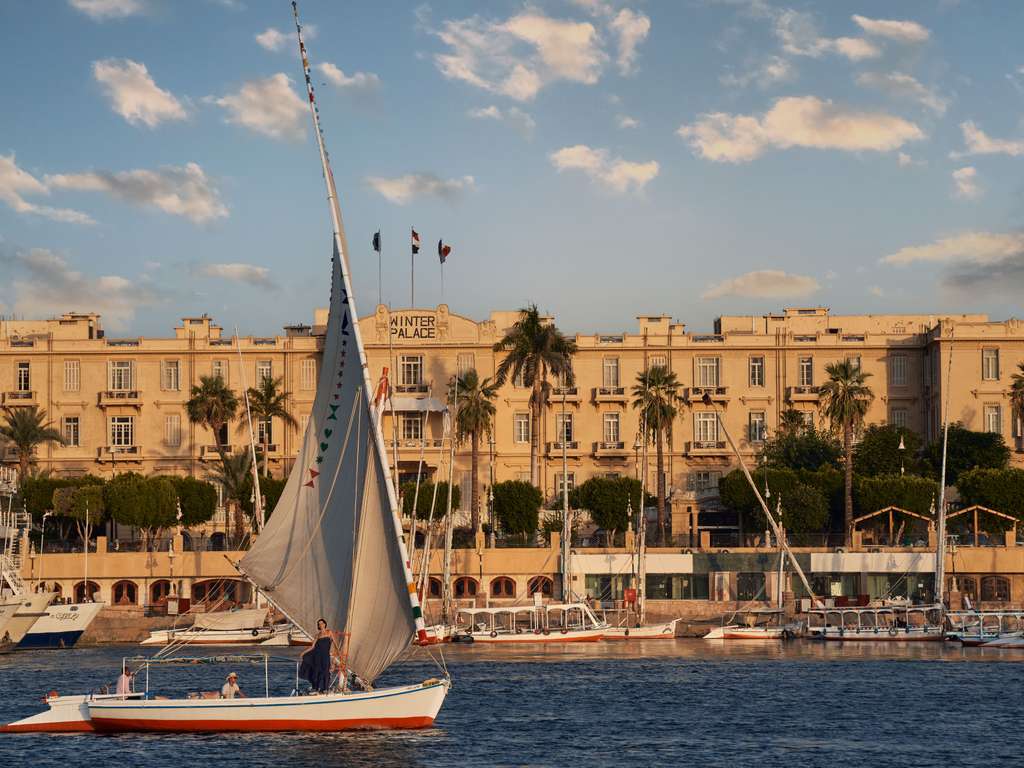
Sofitel Winter Palace Luxor
Colonial elegance overlooking the Nile and the West Bank – historic luxury since 1886.
Jolie vile Luxor Resort & Spa
Serene spa retreat with infinity pools and views of Nile River.

Pavillon Winter Luxor
Boutique sister property to the Winter Palace, nestled in tranquil gardens.

Optional sunrise hot-air balloon ride.
Ready to Walk with Pharaohs?
Book your private Ancient Thebes tour today or customize it to match your dreams.
- Day 1
- Day 2
- Day 3
- Day 4
Arrival in Luxor – Exploring the Heart of Ancient Thebes
Morning: Arrival and Welcome
Upon your arrival at Luxor Airport, you’ll be warmly greeted by your private Egyptologist guide and transferred to begin your journey into the ancient soul of Egypt. After a short briefing, your exploration begins immediately with one of the most magnificent religious complexes ever built.
🏛 Explore the Karnak Temple Complex
Spanning over 200 acres, Karnak Temple is not merely a temple—it’s an open-air chronicle of over 1,500 years of continuous construction. This sacred complex was the spiritual epicenter of Thebes and the most significant place of worship in ancient Egypt.
-
Walk the Avenue of Ram-Headed Sphinxes, once linking Karnak to Luxor Temple.
-
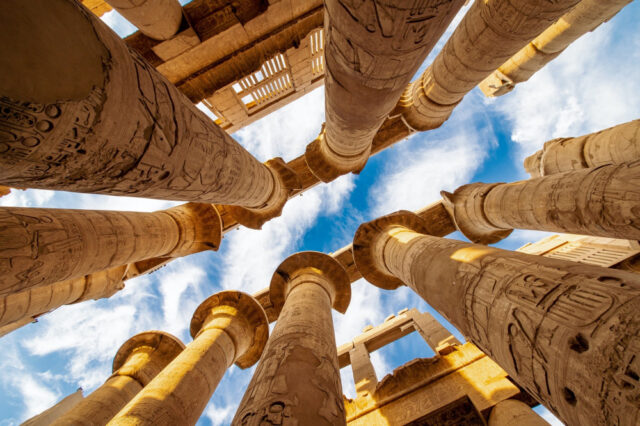
Step inside the Great Hypostyle Hall, where 134 colossal sandstone columns soar above, still adorned with intricate hieroglyphs.
-
Visit the Sacred Lake, a key element of purification rituals.
-
Discover hidden gems like the Festival Hall of Thutmose III and obelisks of Hatshepsut and Thutmose I.
Your guide will decode the religious symbolism, architectural feats, and political power embedded in every block of stone.
🌅 Luxor Temple at Sunset
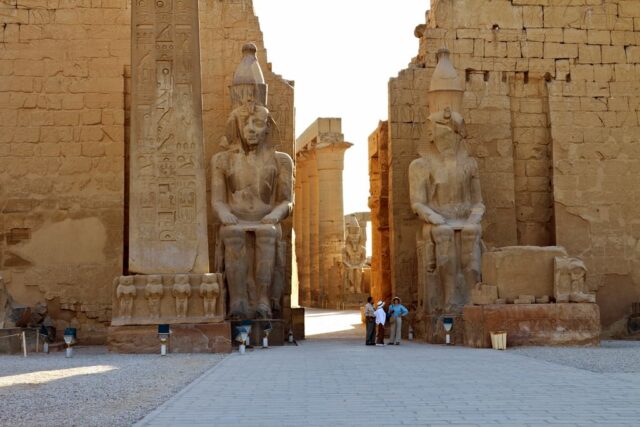
In the late afternoon, visit Luxor Temple, best experienced during the golden hour as the sun casts a warm glow over its statues and columns.
Constructed by Amenhotep III and expanded by Ramses II, this temple served as the stage for the Opet Festival, when the divine triad of Thebes—Amun, Mut, and Khonsu—was reunited.
Marvel at:
-
The colossal, seated statues of Ramses II guarding the entrance.
-
Roman-era chapels, a mosque built into its structure, and Alexander the Great’s cartouche—illustrating the temple’s layered history.
As dusk falls, the temple lights create a dreamlike atmosphere perfect for reflection and photography.
🏺 Visit the Luxor Museum
Continue your immersion in antiquity with a visit to the Luxor Museum, one of Egypt’s most refined collections of artifacts. Curated with precision and clarity, the museum features:
-
Masterfully restored statues from Luxor and Karnak.
-
The regal mummy of Ramses I.
-
Everyday items, amulets, and weaponry from Tutankhamun’s tomb.
The museum offers an intimate and educational encounter with the material culture of Thebes.
🛍 Stroll Through Luxor’s Local Market (Souq)
End the day with a guided walk through Luxor’s traditional market, a colorful labyrinth of spice stalls, textiles, silver jewelry, and artisan crafts.
Engage with friendly locals, observe daily Egyptian life, and perhaps find a unique souvenir—whether it's handwoven scarves, alabaster figurines, or exotic herbs. Your guide will help translate and navigate for a deeper cultural experience.
🍽 Dinner & Overnight at a Luxury Hotel
Return to your selected luxury accommodation—such as the Sofitel Winter Palace or the Hilton Luxor Resort & Spa. Relax and enjoy a gourmet dinner with Nile views, reflecting on a day steeped in ancient magic and timeless elegance.
Prepare for a restful night in the heart of Egypt’s historical capital.
The West Bank of Luxor – Legacy of Pharaohs and Queens
🌄 Optional Sunrise Experience: Hot Air Balloon Over Ancient Thebes
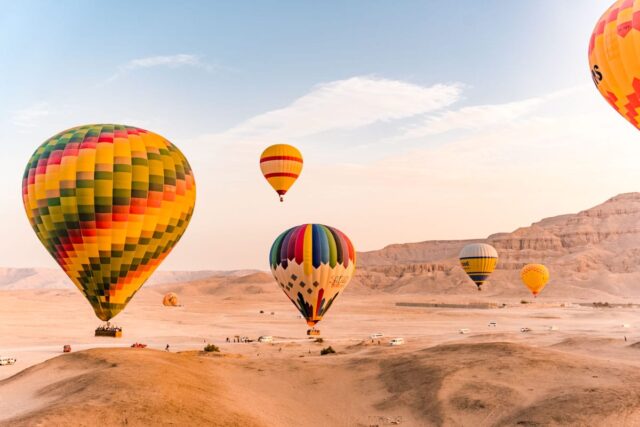
Begin your day before dawn with an optional hot-air balloon flight over the West Bank. As the sun rises behind the Eastern Mountains, float peacefully above the Nile, desert valleys, and monumental ruins below. The bird’s-eye view of temples and tombs bathed in morning light is both majestic and humbling—an unforgettable start to your journey through the afterlife’s gate.
🏜 Cross to the West Bank – The Domain of the Dead
After breakfast, cross the Nile to Luxor’s West Bank, known in antiquity as the land of the dead. Nestled between rugged cliffs and desert hills, this region served as the final resting place of pharaohs, queens, and nobles during the New Kingdom. Today, it's home to some of Egypt’s most remarkable archaeological treasures.
🏞 Explore the Valley of the Kings
Carved deep into the Theban cliffs, the Valley of the Kings was the sacred necropolis of Egypt’s most powerful rulers.
-
Descend into 3 of the beautifully decorated tombs, carefully chosen by your guide based on preservation and significance.
-
Marvel at scenes from the Book of the Dead, Amduat, and celestial guides to the afterlife, still vibrant after 3,000 years.
✔ Tomb of Tutankhamun (KV62) – Though smaller than others, this tomb is famed for its discovery in 1922 by Howard Carter. It still houses the boy-king’s mummified remains, encased in his original golden sarcophagus.
✔ Tomb of Ramses V & VI (KV9) – A vast and magnificent tomb featuring celestial ceilings, astral gods, and deeply carved reliefs illustrating the king's journey into the afterlife.
Optional upgrade: Access to Seti I’s tomb, considered the most exquisite tomb ever built in Egypt (limited ticket availability).
👑 Visit the Valley of the Queens
Just south of the kings’ tombs lies the tranquil Valley of the Queens, where the wives and children of pharaohs were laid to rest.
-
See tombs adorned with tender family scenes, prayers to deities, and symbols of maternal protection.
-
Optional entry to the Tomb of Queen Nefertari (QV66)—a true masterpiece of Egyptian art. Vivid pigments, symbolic murals, and mythological scenes make it one of the best-preserved and most beautiful tombs in the world.
🏛 Temple of Queen Hatshepsut (Deir el-Bahari)
Rising dramatically against the cliffs of Deir el-Bahari, this architectural marvel honors Egypt’s most powerful female ruler. Designed as a mortuary temple, it represents Queen Hatshepsut’s divine birth, trade expeditions, and religious devotion.
-
Walk the terraced colonnades with scenes of the legendary Punt expedition.
-
View restored statues of Hatshepsut depicted as a male pharaoh.
-
Learn how she solidified her legitimacy in a patriarchal world, ruling successfully for over 20 years.
🗿 Photo Stop at the Colossi of Memnon
End the tour with a visit to the Colossi of Memnon, two 18-meter-high statues of Amenhotep III that once guarded the entrance to his lost mortuary temple.
-
Hear the legend of the “singing statues,” whose cracks once echoed at dawn and drew travelers from across the Roman Empire.
-
An ideal location for a scenic break and photographs with the open plains of Thebes as a backdrop.
🍽 Return to Hotel – Dinner & Relaxation
Return to your luxury accommodation on the East Bank. Enjoy time to refresh, relax by the pool, or sip a cocktail overlooking the Nile. In the evening, savor a gourmet dinner at your hotel’s fine dining restaurant or a curated meal under the stars.
Overnight in Luxor at the Sofitel Winter Palace, Hilton Luxor Resort & Spa, or similar 5-star luxury property.
Secrets of the West Bank – The Lives of Nobles, Artisans & Warrior Kings
On your final full day in Luxor, delve deeper into the intimate and artistic legacy of Ancient Thebes. Unlike the grand royal tombs of the previous day, today offers a more human perspective—revealing the lives, beliefs, and talents of those who served the pharaohs and shaped their eternal resting places.
🏛 Visit the Tombs of the Nobles
Set into the cliffs above the green fields of the Nile, the Tombs of the Nobles contain some of the most detailed and personal artworks in all of ancient Egypt. These tombs belonged to powerful viziers, priests, architects, and high officials who served the New Kingdom’s elite.
You’ll visit several of the most well-preserved tombs, including:
-
Tomb of Ramose – A vizier under Amenhotep III and Akhenaten, this tomb presents a unique blend of classical Theban reliefs and the experimental Amarna art style, showing the artistic and political shift during Akhenaten’s reign.
-
Tomb of Rekhmire – Vizier and governor of Thebes, his tomb contains elaborate scenes of tribute from foreign lands, craftsmen at work, and religious ceremonies. It offers extraordinary insight into daily life, international diplomacy, and social structure.
Your expert Egyptologist will guide you through the symbolism, techniques, and historical significance of these works, bringing the past vividly to life.
🏺 Deir el-Medina – The Workers’ Village
Next, visit Deir el-Medina, the extraordinary village where the artisans and laborers who built the royal tombs once lived. Far more than just a worker’s settlement, this was a literate and culturally rich community of skilled craftsmen, whose tombs rivaled those of the elite in artistry.
Here, you’ll explore:
-
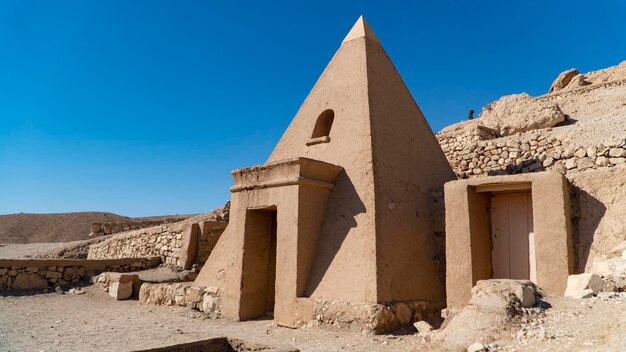
The Tomb of Sennedjem – An exquisite example of funerary art, depicting the Field of Reeds (Egyptian paradise) in vibrant, colorful detail.
-
The Tomb of Menna or Inherkhau – Showcasing vivid wall scenes of agricultural life and sacred rituals.
-
The village ruins themselves, with narrow lanes, modest homes, and a small temple dedicated to the goddess Hathor.
-
The Deir el-Medina museum, with tools, ostraca (pottery fragments with drawings), and artifacts revealing daily life in the village.
This visit offers a rare look into the lives of the skilled hands behind Egypt’s most famous monuments.
🏛 The Ramesseum – Mortuary Temple of Ramses II
Next, explore the Ramesseum, the once-grand mortuary temple of Ramses II, also known as Ramses the Great. Though largely ruined, its scale and design speak volumes about the pharaoh's ambition and enduring legacy.
-
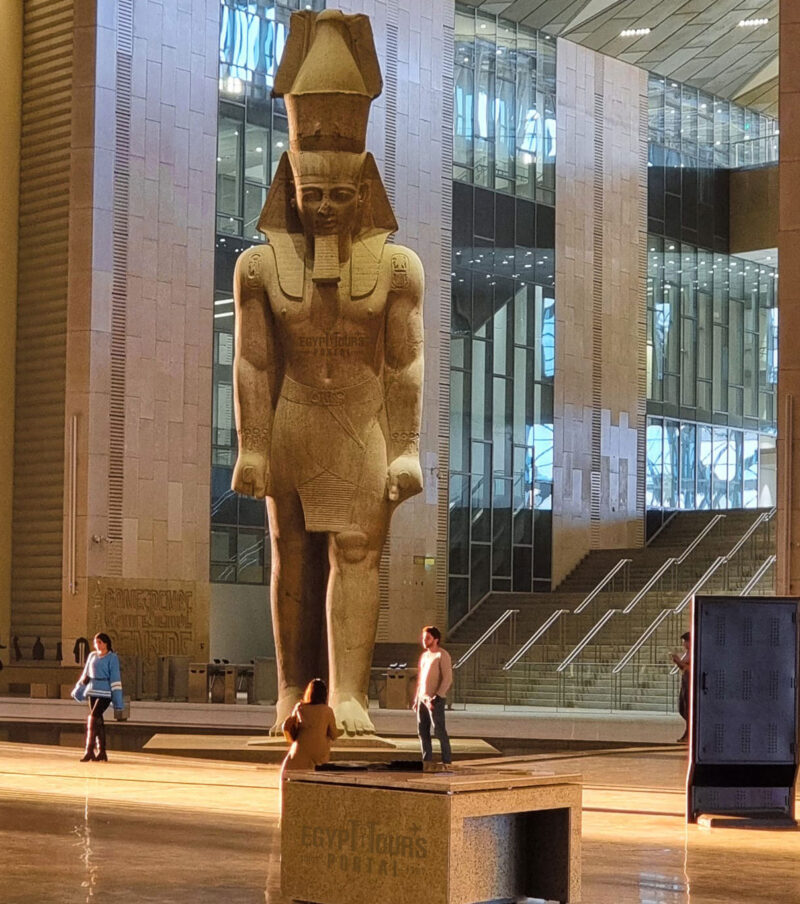
Marvel at the colossal fallen statue of Ramses II, once standing over 17 meters tall.
-
Study detailed reliefs depicting the Battle of Kadesh, royal rituals, and offerings to the gods.
-
Feel the poetic irony of its remains, famously referenced by Percy Bysshe Shelley in his poem Ozymandias— “Look on my Works, ye Mighty, and despair!”
🏛 Medinet Habu – Mortuary Temple of Ramses III
Conclude your exploration at Medinet Habu, one of the best-preserved temples in Egypt and the mortuary temple of Ramses III. This fortress-like complex offers a vivid window into Egypt’s military power and religious devotion at the end of the New Kingdom.
-
Walk through the massive pylons covered in deeply cut, vibrantly painted reliefs.
-
See dramatic battle scenes commemorating Ramses III’s victories over the Sea Peoples—a turning point in Egyptian history.
-
Explore inner sanctuaries, side chapels, and a sacred lake within the compound.
Your guide will help decode the complex symbolism and architectural mastery of this imposing and under-visited site.
🍽 Evening Return – Dinner & Reflection
After a day immersed in artistic legacy and historical depth, return to your luxury hotel. Relax by the pool, enjoy spa services, or sip a refreshing drink by the Nile.
A gourmet farewell dinner awaits you in the evening, as you reflect on your multi-layered journey through Ancient Thebes—from gods and kings to artisans and warriors.
Overnight in Luxor at your 5-star accommodation.
Farewell to Thebes – Departure from Luxor
As the golden morning light filters over the Nile and bathes Luxor in its soft glow, your final day in this city of pharaohs begins.
🍽 Leisurely Breakfast with a View
Wake to a tranquil morning at your luxury hotel. Enjoy a sumptuous breakfast, whether in a garden setting at the Sofitel Winter Palace or on a terrace overlooking the Nile at the Hilton Luxor Resort & Spa. This is your moment to relax, savoring freshly baked Egyptian breads, fruits, and local delicacies as the city quietly stirs to life.
If time allows, take a final walk through the lush hotel grounds or sip a coffee by the pool while reflecting on the unforgettable journey you’ve just experienced—through tombs and temples, legends and ruins, across the timeless landscape of ancient Thebes.
🚗 Private Transfer to Luxor Airport or Next Destination
After check-out, your private chauffeur and guide will escort you to Luxor International Airport for your departure flight. If you’ve arranged an onward journey—perhaps to Aswan, Cairo, or the Red Sea—we’ll ensure a smooth and seamless transition.
Throughout your journey, you’ve traced the footsteps of kings, queens, priests, and artisans—each one leaving behind a legacy carved in stone. Though you depart today, Luxor’s grandeur will linger long in your memory, as it has done for travelers for millennia.
More about Egypt
🏜️ Egypt: Where Time Stands Still and Adventure Begins
Region: North Africa Coordinates: Approx. 26°N, 30°E Borders: Libya (west), Sudan (south), Israel & Gaza Strip (northeast) Key Cities: Cairo, Luxor, Aswan, Alexandria, Hurghada, Sharm El-Sheikh✨ Why Visit Egypt?
Egypt is more than pyramids and pharaohs—it's a living museum of ancient wonders, vibrant culture, and breathtaking landscapes. From the golden sands of the Sahara to the coral reefs of the Red Sea, every corner of Egypt tells a story. Whether you're cruising the Nile, diving in the Red Sea, or wandering through bustling souks, Egypt offers a sensory journey through history, nature, and hospitality.🏛️ Top Attractions
- Giza Plateau: Home to the Great Pyramids and the Sphinx
- Luxor & Karnak Temples: Open-air museums of ancient architecture
- Valley of the Kings: Tombs of legendary pharaohs
- Abu Simbel: Monumental temples carved into rock
- Siwa Oasis: A remote paradise of palm groves and salt lakes
- Red Sea Riviera: World-class diving in Hurghada and Sharm El-Sheikh
🌍 Geo & Climate Insights
- Landscape: 95% desert, with fertile Nile Valley and Delta
- Climate: Hot and dry; best travel months are October to April
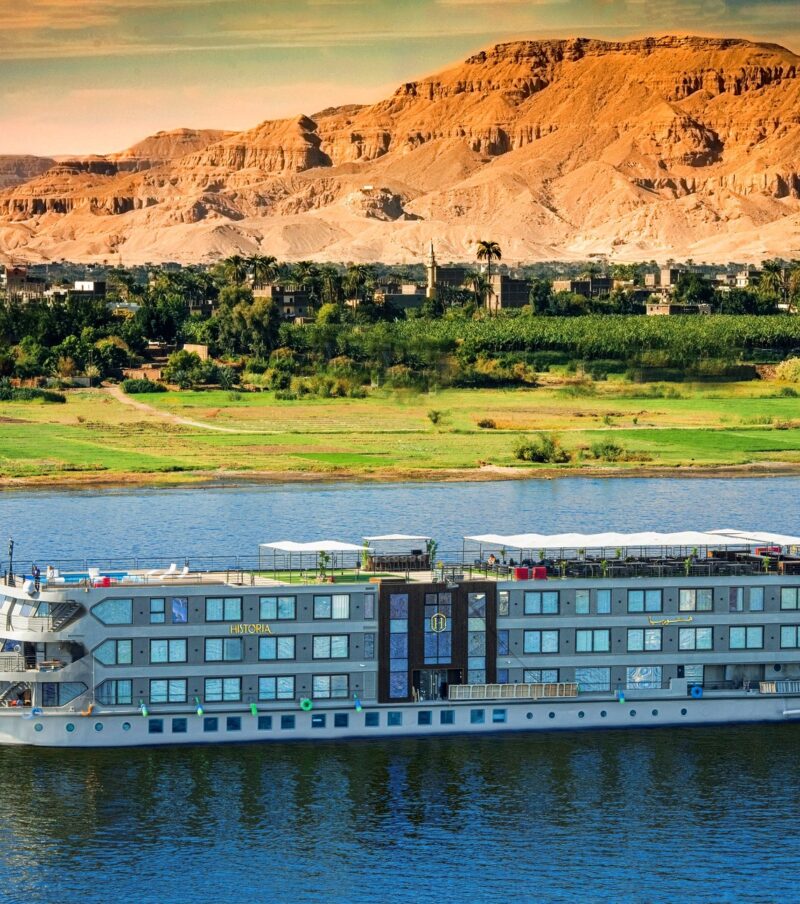
- Nile River: Lifeline of Egypt, flowing ~6,650 km from Lake Victoria to the Mediterranean
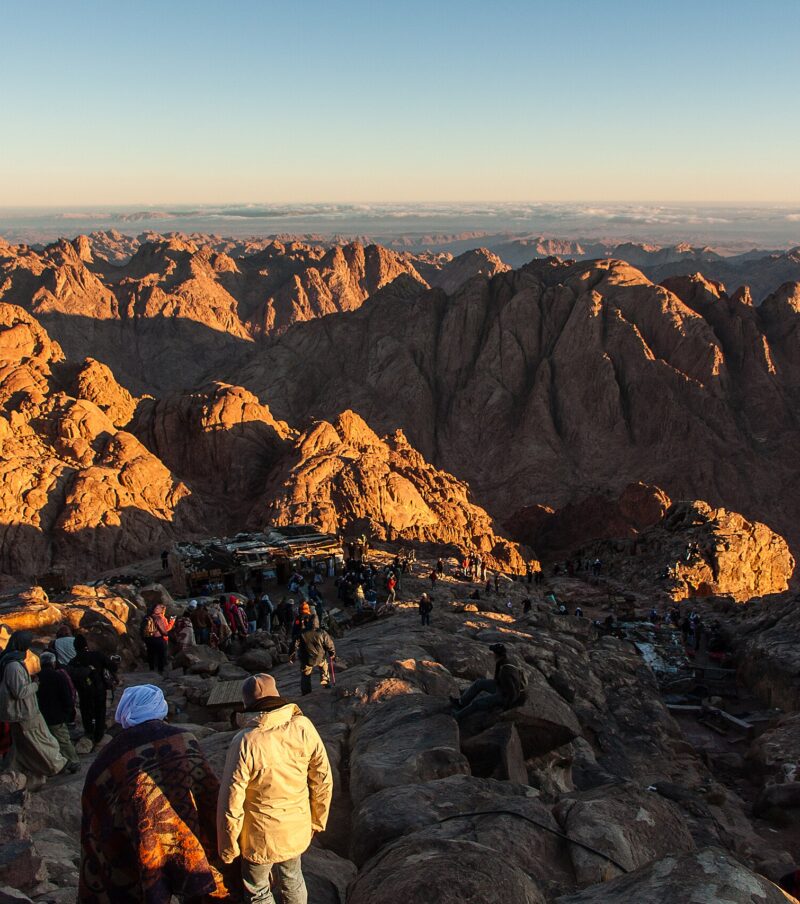
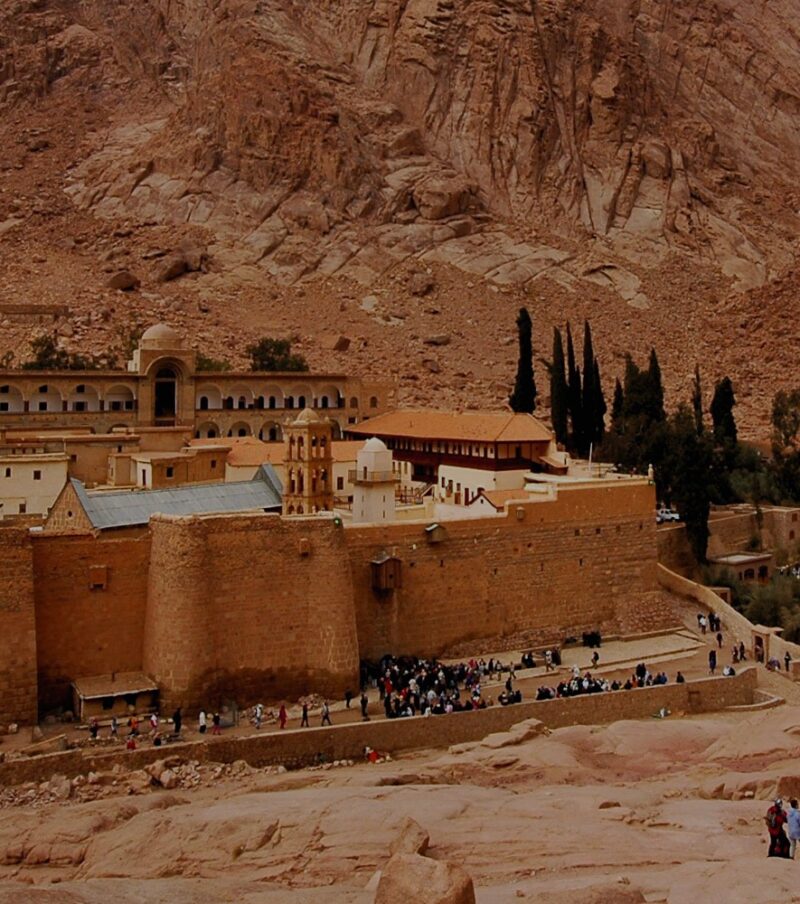
- Sinai Peninsula: Mountainous terrain and sacred sites like Mount Sinai
🖼️ Visual Highlights
Here are some stunning visuals to enrich your page:🍽️ Cultural Experiences
- Cuisine: Try koshary, molokhia, and feteer meshaltet
- Markets: Khan El Khalili in Cairo, Nubian bazaars in Aswan
- Festivals: Ramadan nights, Mango Festival in Ismailia, and desert music gatherings
📌 Travel Tips
- Visa: Available on arrival or online for most nationalities
- Currency: Egyptian Pound (EGP)
- Language: Arabic (English widely spoken in tourist areas)
- Safety: Tourist zones are well-patrolled and welcoming
🛎️ Call to Action
Ready to explore Egypt’s timeless treasures? Book your journey with Misr Tours and experience the magic of ancient wonders, modern hospitality, and unforgettable landscapes.More about Luxor
- Best for: History lovers, photographers, families, and cultural explorers
- Travel style: Private tours, small groups, Nile cruises, sunrise/ sunset experiences
- Seasonality: October–April is ideal; May–September offers quieter sites with midday heat
- Stay length: 2–4 nights for highlights; 5–7 nights with a cruise or deeper exploration
More about this tour
For over a millennium, Luxor—ancient Thebes—exerted substantial control over the political, religious, and cultural life of Ancient Egypt, serving as the epicenter of pharaonic power and religious authority. Renowned in the ancient world for its monumental architecture and spiritual significance, Luxor flourished as the heart of one of history’s greatest civilizations.
However, by the early Christian Ages, the city had fallen into a prolonged state of decline. Once a formidable seat of power, Luxor became physically degraded, economically stagnant, politically irrelevant, and militarily enfeebled. Despite this deterioration, its legacy endured. Over time, Luxor reasserted itself as a locus of cultural and scholarly interest, reclaiming recognition for its historical grandeur and contributing to the intellectual and artistic heritage of Egypt.
The ancient urban fabric of Luxor is historically divided into two principal districts, a division that dates back to Classical antiquity. The East Bank of the Nile—the ancient city’s ceremonial and administrative core—is now a densely populated municipality, home to monumental structures such as the Karnak and Luxor Temples. The West Bank, by contrast, served as the sacred necropolis, dedicated to the afterlife and royal mortuary complexes.
This western region comprises five primary cemetery zones, each serving a distinct social and religious function in ancient funerary practice:
- Valley of the Kings – Burial site of New Kingdom pharaohs, including Tutankhamun and Ramses II.
- Valley of the Queens – Resting place of royal consorts and children.
- Valley of the Nobles – Tombs of high-ranking officials, priests, and courtiers.
- Valley of the Workers (Deir el-Medina) – A unique community of artisans and laborers who constructed the royal tombs.
- Valley of the Artisans – Sometimes overlapping with Deir el-Medina, this area includes elaborately decorated tombs created by and for the craftsmen themselves.
Together, these districts reflect the complex sociopolitical and religious landscape of ancient Thebes, offering invaluable insight into the civilization’s mortuary customs, class structure, and architectural innovation.

There are no comments yet.