Echoes of a Pharaoh: Exploring the Ramesseum, Mortuary Temple of Ramses II
The desert wind sweeps across the West Bank of Luxor, carrying whispers of a time when gods walked among men and pharaohs shaped eternity with stone. Among the sun-baked ruins of the Theban Necropolis stands a monument that has survived millennia, earthquakes, and the relentless march of time: the Ramesseum, the mortuary temple of Ramses II.
Often overshadowed by the more famous Valley of the Kings or Karnak Temple, the Ramesseum is a masterpiece of New Kingdom architecture, royal propaganda, and ancient engineering. If you’re planning a trip to Egypt or simply fascinated by the pharaonic world, this site deserves a place on your itinerary.
What Exactly Is the Ramesseum?
First things first: the Ramesseum is not a tomb. It’s a mortuary temple, built to honor the cult of Ramses II after his death and to ensure his divine presence endured for millions of years. In ancient Egyptian cosmology, mortuary temples were spiritual and economic hubs where priests performed daily rituals, managed temple estates, and preserved the pharaoh’s legacy.
Its original name was a mouthful even by ancient standards: “The Temple of Millions of Years of Usermaatra-setepenra that is United with Thebes in the Domain of Amun.” The much simpler name we use today, Ramesseum, was coined in the early 19th century by French Egyptologist Jean-François Champollion.
Construction began around 1279 BCE, early in Ramses II’s legendary 66-year reign. Built on a scale that matched his ego, the complex originally spanned over 10 acres and included not just religious spaces, but also royal palaces, administrative offices, granaries, and workshops.
Architectural Grandeur & Must-See Features
Though time and stone-quarrying have claimed much of the original structure, the surviving layout still reveals a carefully planned sacred axis aligned with the rising sun and the Nile.
🏛️ The Pylons & Courtyards
You enter through a massive first pylon, now partially ruined, into a grand open courtyard. On one side stand the remains of Osiride pillars, each carved with the likeness of Ramses II in the form of Osiris, god of the afterlife. These weren’t just decorative; they symbolized the pharaoh’s transformation into a divine, eternal ruler.
📜 The Hypostyle Hall & Battle Reliefs
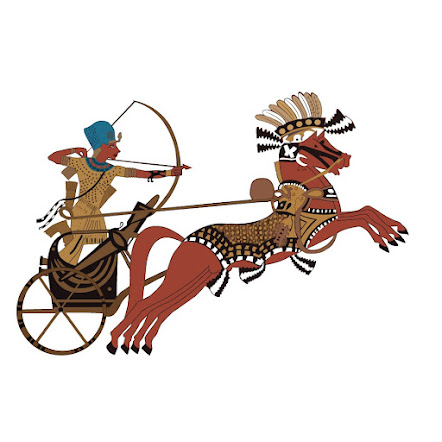
Beyond the second courtyard lies a once-roofed hypostyle hall. Its walls are covered in some of Egypt’s most vivid historical reliefs, most notably the Battle of Kadesh (c. 1274 BCE). Ramses II turned a tactical stalemate into a propaganda triumph, carving his “victory” across multiple temples. The Ramesseum’s panels show him charging alone in his chariot, smiting enemies, and receiving divine blessing from Amun and Ra-Horakhty.
🌌 The Astronomical Ceiling
One of the temple’s quiet marvels is the fragmented but still decipherable astronomical ceiling in the inner sanctuary. It depicts decans, constellations, and lunar cycles, revealing how ancient Egyptians mapped the heavens to regulate religious festivals, agricultural cycles, and royal rituals.
🏺 The Royal Residence & Storage Magazines
Unusually for a mortuary temple, the Ramesseum includes ruins of a palace complex where the pharaoh likely stayed during Theban festivals. Adjacent are dozens of mudbrick storage magazines that once held grain, wine, oils, and tribute, underscoring the temple’s role as an economic powerhouse.
The Statue That Inspired a Masterpiece
In the first courtyard lies a colossal quartzite statue of Ramses II, now fallen and fractured. Weighing over 1,000 tons in its original state, it once stood nearly 60 feet tall. Its inscribed cartouches and imposing presence caught the attention of 19th-century travelers and scholars.
It’s widely believed that accounts of this very statue inspired Percy Bysshe Shelley’s haunting 1818 sonnet, Ozymandias (Ozymandias being the Greek name for Ramses II). Shelley’s famous lines:
“Look on my Works, ye Mighty, and despair!”
Nothing beside remains. Round the decay
Of that colossal Wreck, boundless and bare
The lone and level sands stretch far away.”
While Shelley never visited Egypt, his poem perfectly captures the Ramesseum’s enduring message: even the mightiest empires yield to time, yet their echoes still shape how we remember them.
Why It’s Often Overlooked (And Why You Shouldn’t Skip It)
The Ramesseum doesn’t have the intact grandeur of Medinet Habu or the royal tombs of the Valley of the Kings. But that’s precisely its charm. It’s a site where you can read history in the stones, where archaeology feels alive, and where the scale of ancient ambition is palpable.
It’s also one of the least crowded major sites on Luxor’s West Bank, offering a rare chance to wander through pharaonic ruins without the jostle of mass tourism. For history buffs, photographers, and quiet contemplators, it’s a sanctuary in the truest sense.
Practical Tips for Visiting
📍 Location: Theban Necropolis, West Bank, Luxor, Egypt
🎫 Tickets: Included in the standard West Bank ticket or available separately at the gate. Check current pricing with your hotel or tour operator, as fees are periodically adjusted.
⏰ Best Time to Visit: Early morning (7–9 AM) or late afternoon (4–6 PM) to avoid peak heat and crowds. Winter months (Nov–Feb) are ideal.
📸 Photography: Allowed throughout. The fallen colossus, Osiride pillars, and Kadesh reliefs offer stunning compositions, especially during golden hour.
🧭 Combine With: Medinet Habu, Deir el-Medina, Valley of the Kings, and the Colossi of Memnon for a full West Bank day.
👟 Wear & Bring: Comfortable walking shoes, sun protection, water, and a small flashlight (helpful for reading shadowed reliefs).
♿ Accessibility: The terrain is uneven with sand and stone debris. Not fully wheelchair accessible, but manageable with assistance.
Final Thoughts: Stones That Speak Across Millennia
The Ramesseum isn’t just a ruin. It’s a testament to human ambition, divine kingship, and the relentless passage of time. Ramses II built it to live forever. In many ways, he succeeded. Every carved line, every toppled pillar, every whispered name in the desert wind keeps his story alive.
If you ever find yourself in Luxor, don’t let the Ramesseum slip past you. Walk its courtyards. Trace the battle scenes. Stand before the fallen colossus. And let the sands of Thebes remind you that some legacies aren’t measured in height, but in how deeply they echo through history.
Have you visited the Ramesseum? What ancient Egyptian site leaves you most in awe? Share your thoughts in the comments below!
🔖 Tags: #Ramesseum #RamsesII #LuxorTravel #AncientEgypt #MortuaryTemple #EgyptHistory #ThebanNecropolis #Ozymandias #TravelEgypt #PharaonicArchitecture